22/10/2026 20:25
Different Spelling, Same Part? YouTube Tag Checks for Cambodian Pump-Parts Shops
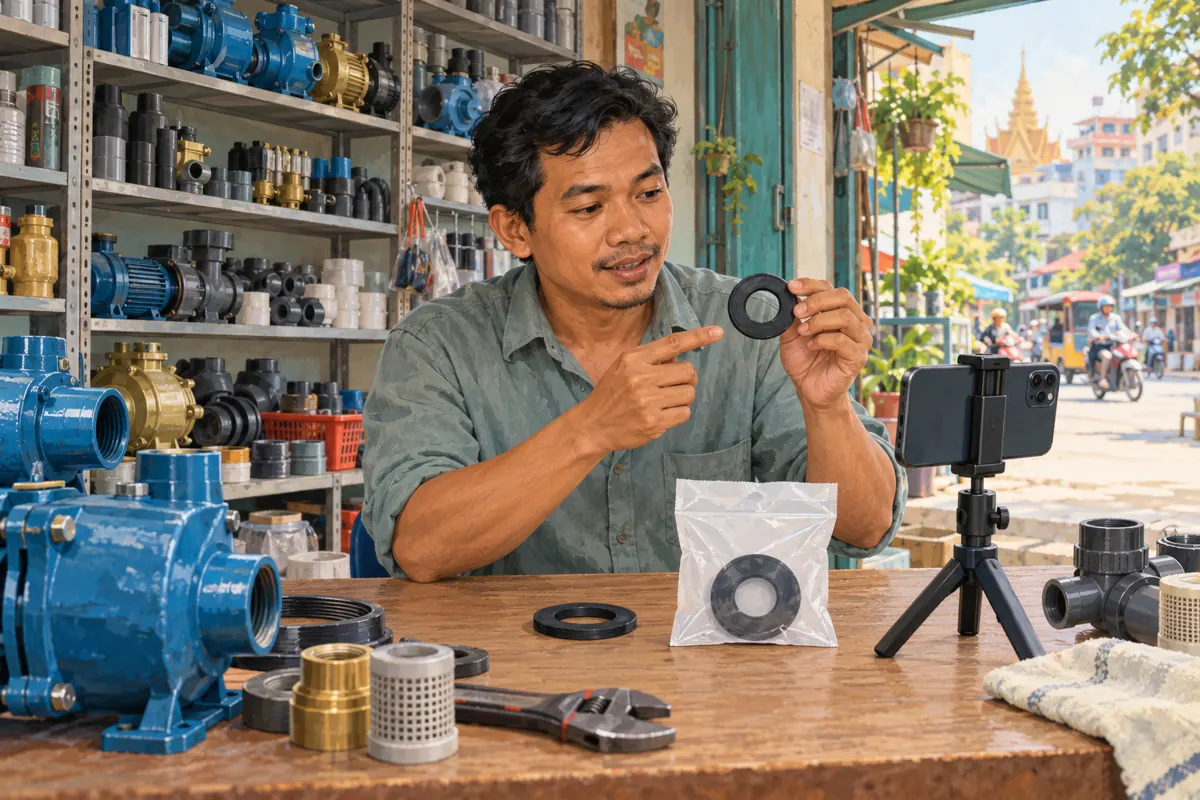
A customer asks for a pump gasket using a familiar spoken name, while the packaging uses an English term. Another customer types that term differently. For a Cambodian parts shop making YouTube demonstrations, these differences create a practical question: which words describe the same component, and which point to something else? A useful tagging routine starts at the counter, with the actual part and the questions people ask. It then carries verified wording into the video’s metadata. This guide uses a hypothetical pump-parts shop to explain that process, including when tags deserve attention, when the video needs a clearer explanation, and why an SMM panel service cannot prove that the right Cambodian buyers found it.
1. Decide whether the problem is spelling or identification
Imagine a hypothetical Phnom Penh shop filming a guide to comparing a replacement gasket with an old sample. Staff have seen customers write both “pump gasket” and “pump gasget.” They have also received requests for a “pump seal.” The first pair may represent a spelling variation. The third phrase needs investigation because the customer might mean a different component. Putting all three into a keyword list without checking their meaning hides the distinction the video should explain.
Start by asking what a viewer needs to identify after watching. For this demonstration, the answer could be the outline, hole arrangement and relevant measurements of the sample. If the video never makes those features clear, changing tags will not resolve the viewer’s confusion. Review the footage before treating discovery settings as the main problem.
2. Give tags a limited, specific job
YouTube’s official guidance says titles, thumbnails and descriptions matter more for discovery than tags. Tags can help with commonly misspelled content; otherwise, their role is minimal. That makes them a small finishing task for this shop, rather than the foundation of its promotion plan. The practical objective is to describe the demonstration accurately and account for relevant spelling mistakes.
Set a clear stopping point for the review. Once each proposed term has a reason to be there, stop expanding the list. Spend the remaining effort on a visible close-up, an understandable explanation and a useful enquiry instruction. A staff member should be able to explain each retained term in ordinary language: it names the part, describes the demonstrated task, or reflects an observed spelling variation.
3. Collect wording without copying customer details
Create a short working note with four fields: the wording encountered, where it came from, the confirmed component, and the decision. Sources might include a packaging label, an anonymized enquiry or a colleague’s counter notes. Record the phrase itself rather than copying an entire conversation. Phone numbers, addresses and order details add nothing to this language review.
In the hypothetical shop, “pump gasget” would remain a candidate only if staff had actually encountered it. Do not manufacture dozens of plausible typing errors. A packaging term should also be checked against the item inside, especially when similar products share a shelf. Where the meaning remains uncertain, mark it for clarification instead of turning an assumption into public metadata. Keep this note separate from the shop’s stock list.
4. Check Khmer speech and English packaging together
A shop serving Cambodian customers may explain a part in Khmer while showing packaging with English terminology. Ask a Khmer-speaking colleague familiar with the product to connect the spoken expression to the physical object. The review should establish meaning, not merely produce a phonetic spelling. An expression that sounds similar can still refer to a different part or a broader category.
Use the audience’s familiar wording naturally in the spoken explanation and supporting copy. Where an English packaging term helps identification, explain its relationship to the local term. Avoid inserting every possible transliteration into the title. If two staff members disagree about what a phrase means, return to the sample or ask for a clarifying photo. Uncertainty about the product belongs in the review process, not in an oversized tag list.
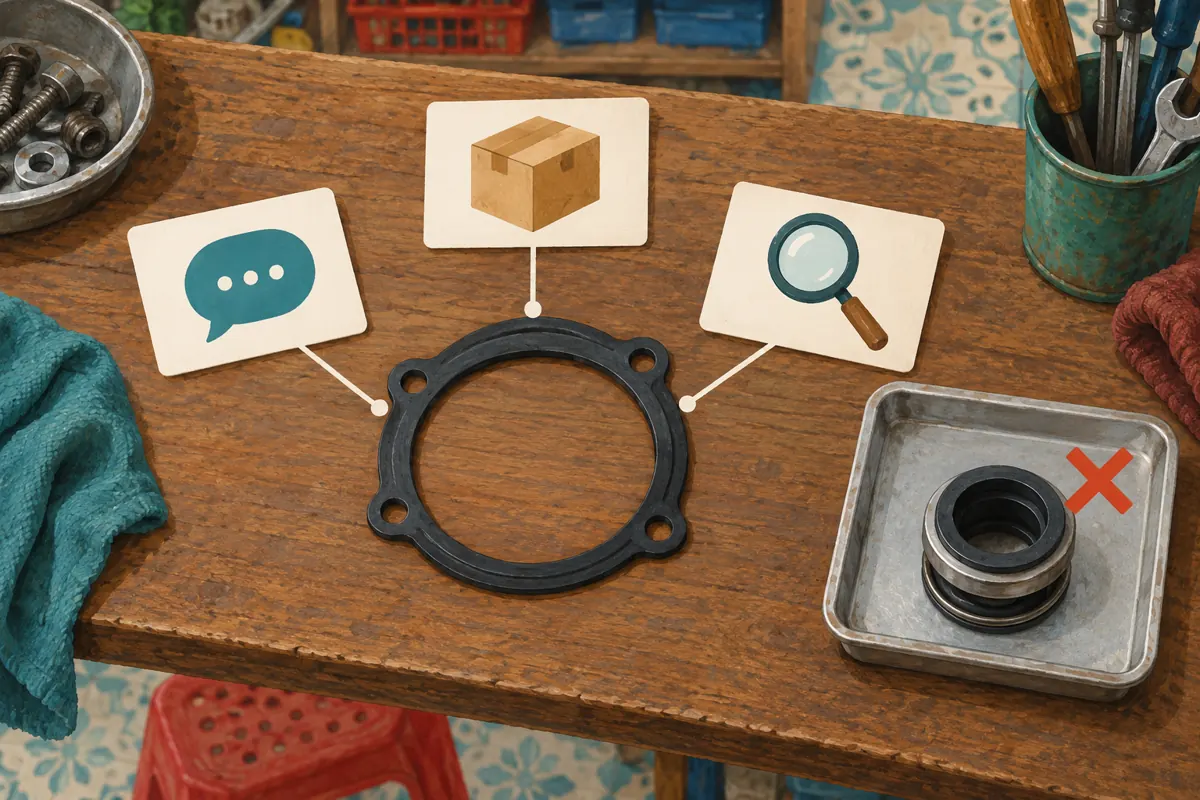
5. Build a small candidate list and reject weak entries
For the hypothetical gasket demonstration, candidates might include “pump gasket,” “water pump gasket,” and the observed misspelling “pump gasget.” These are illustrative editorial choices, not a proven ranking formula. Evaluate each against the actual footage. A more specific term is useful only when the video genuinely covers that specific component or task.
Reject a model number unless the shop has verified its relevance. Reject another component’s name when it merely attracts a broader audience. Reject words such as “official” if the business cannot support the implied relationship. Adding “Cambodia” also does not establish local targeting; use location wording where it communicates a real service area or shop context. The same test applies to promotional adjectives: would a viewer who searched this phrase receive what the video promises?
6. Make the visible promise match the demonstration
Before entering tags, read the proposed title beside a still frame from the video. An illustrative English working title is “How to Compare a Pump Gasket with Your Old Sample.” It states a task without promising universal compatibility. A thumbnail showing the sample’s outline supports that promise. A picture of a complete pump might create a different expectation if the video only discusses one small component.
Write the opening description as useful prose. Explain what the demonstration covers and what information a customer should provide before asking about a replacement. For example, request a clear part photo and the available model information, while saying that a photo alone may not settle compatibility. Do not describe the guide as a repair diagnosis if it only demonstrates visual comparison. These decisions help the customer understand the video before any keyword review begins.
7. Enter the tags and record the change
For an existing upload, YouTube’s documented desktop route is YouTube Studio, Content, the selected video, then SHOW MORE to add tags. Check that the selected upload is the intended gasket demonstration before editing. Enter the approved terms and save the change. Reopen the details to confirm the retained wording rather than assuming the edit persisted.
Keep a simple record containing the video URL, review date, previous terms, revised terms and reason for the change. This is useful when different employees handle filming and promotion. The note might say that an irrelevant component name was removed and an observed spelling error was added. It should not say that the edit increased reach unless there is evidence supporting that conclusion. Review the public title and description separately for accidental wording changes.
8. Keep SMM service claims outside the spelling decision
One supplied public listing is “YouTube Like ~ Max 50k ~ 50k/days ~ Instant ~ 𝐍𝐎 𝗥𝗘𝗙𝗜𝗟𝗟”. Its name identifies it as a likes offering, but the supplied description is empty. The wording is a catalogue label, not independently verified evidence of delivery speed, account quality or customer interest. It provides no basis for deciding which spelling a Cambodian buyer uses.
YouTube prohibits artificial increases in engagement and warns that a hired promoter’s actions can affect the channel. Apply that rule before considering any service; do not order artificial engagement to test a tag change. Purchased engagement is not evidence of genuine interest, sales, ad delivery or Cambodian users. Ask what method a proposed promotion uses and assess that method against the platform’s rules. If the method is unclear, the appropriate decision is to pause the purchase.
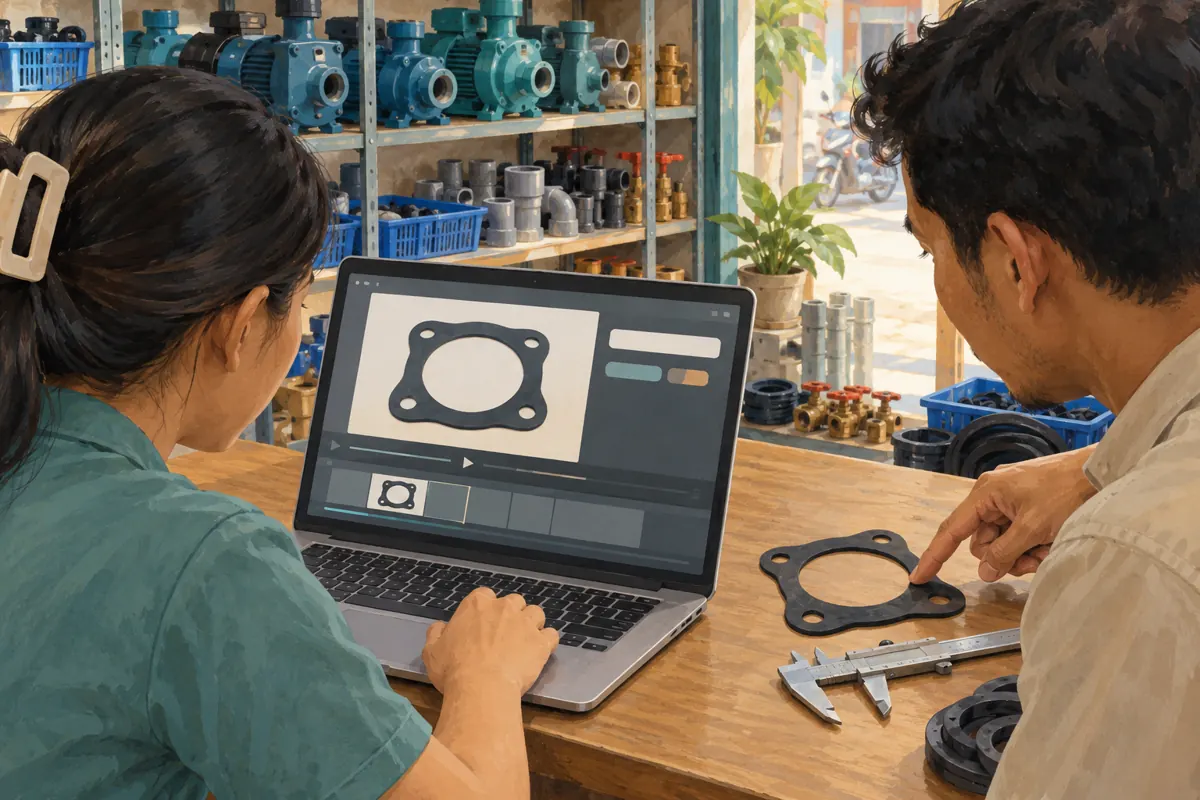
9. Review understanding without inventing attribution
Choose a practical review date after the team has had time to receive ordinary enquiries. Look for concrete communication problems: are viewers still confusing the gasket with another component, sending unusable photos, or expecting a complete repair tutorial? Those observations can guide the next explanation. They do not automatically reveal how a person discovered the video.
A hypothetical customer might say, “I watched your sample comparison; should I photograph both sides?” That shows the customer engaged with a particular instruction. It does not prove that a newly added tag brought them there. Record the stated evidence precisely. If the shop changes the thumbnail, shares the video elsewhere and revises tags during the same period, avoid assigning subsequent activity to one change. Improve the content when the questions reveal a clear gap.
10. Avoid shortcuts that create extra confusion
Copying a competitor’s tags is a poor substitute for identifying your own part. Their video may demonstrate a different model, material or task. Another common mistake is turning the description into a keyword block. YouTube explicitly warns against excessive tags in descriptions. Keep customer-facing copy readable and reserve the tag review for the appropriate field.
Also avoid treating every vague enquiry as a new spelling opportunity. “The black ring inside” may require a follow-up question rather than another tag. Do not tag an identification guide as an installation tutorial simply because installation sounds more attractive. Finally, do not repeatedly rewrite correct metadata whenever enquiries are quiet. Check whether the offer, footage and response process are useful before spending more time rearranging words.
11. Turn the review into a reusable shop routine
Give one colleague responsibility for confirming product terminology and another responsibility for entering the approved copy, if staffing allows. In a small owner-operated shop, perform those checks in separate passes. First inspect the physical part and the footage; then review the wording. This helps prevent a familiar but inaccurate shelf nickname from becoming the video’s main label.
Keep a compact vocabulary note for recurring parts, including phrases that remain ambiguous. Reuse confirmed terminology where appropriate, but review each new demonstration on its own merits. A video comparing gasket shapes needs different wording from one explaining packaging quantities. The finished routine should leave the team with a clearer video, a defensible tag list and a sensible enquiry route. Those are concrete editorial improvements even when there is no measurable change in traffic.

Frequently asked questions
Should we add a misspelling that nobody has used with our shop?
Usually, it is better to leave speculative errors out. Begin with wording you have encountered and verified. A short, explainable list is easier to maintain than a collection of guesses. If a recurring spelling appears later, check that it refers to the same component before adding it.
Can we use both a Khmer term and an English packaging name?
Yes, when both accurately describe the demonstrated item. Have someone who understands the product confirm the relationship. Explain useful terminology in the video itself so viewers can connect the words to the object. Adding another language does not by itself establish a local audience or improve compatibility information.
What should we do when customers call several components a seal?
Treat the phrase as an identification problem. Ask for a clear photo and relevant model information, then establish which component they mean. If the confusion is common, make a separate comparison video that explains the distinction. Do not silently label several different items as interchangeable.
Can a rise in likes show that our revised tags worked?
No. A like count does not identify the wording someone searched or explain why they watched. Purchased likes cannot validate buyer interest. Keep promotion records separate from editorial observations, and describe only what the available evidence supports. A clear customer question is useful feedback without being proof of attribution.
When should the shop revisit a correct tag list?
Revisit it when there is a concrete reason: a verified recurring misspelling, a terminology correction, or discovery that a term describes the wrong component. Do not make daily changes simply because activity varies. Put routine effort into clearer demonstrations and reliable responses to genuine enquiries.
Explore the current service catalogue, create an account, or ask a specific question through support tickets.
Prepared with AI assistance. Illustrations explain the workflow and do not represent customer results.